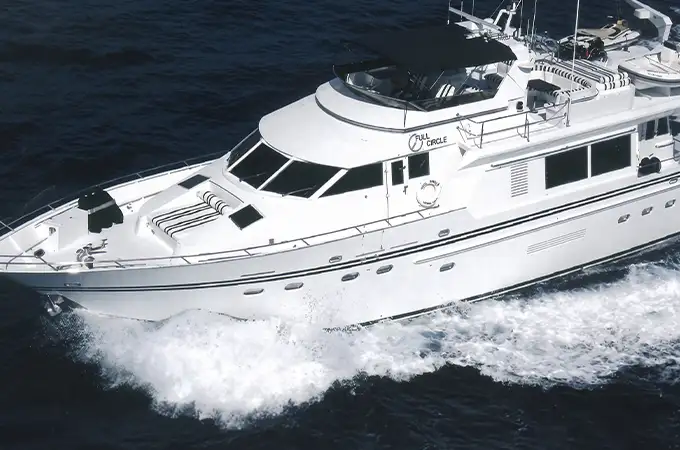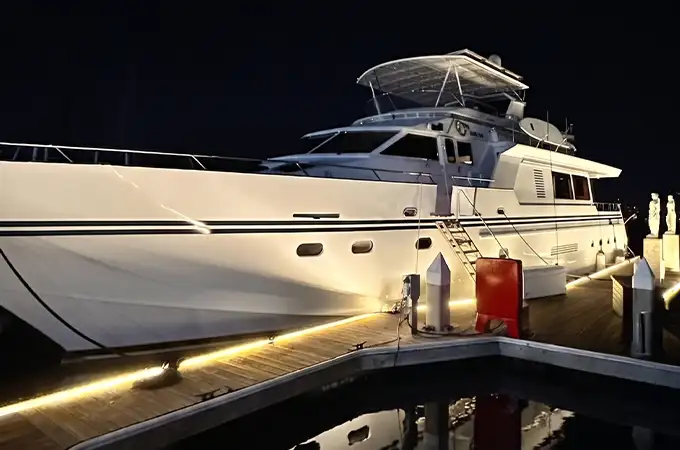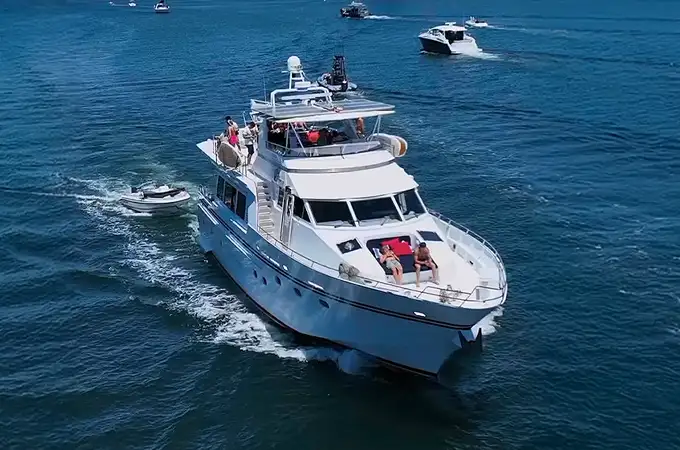
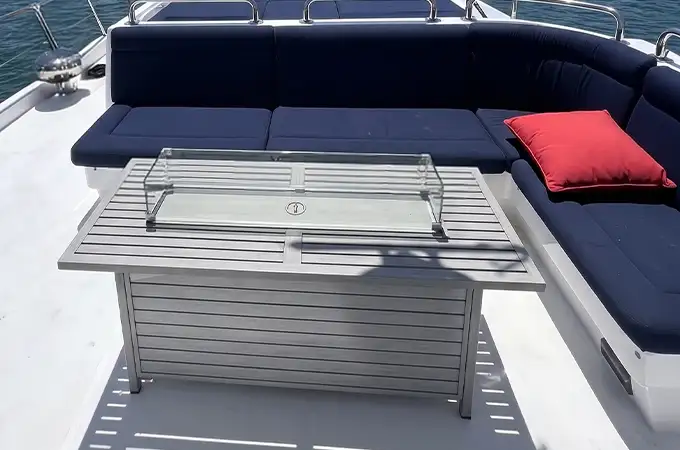
Review dining, lounge, deck, cabin, music, bar, jacuzzi, and dockside amenities before booking a private Newport Beach charter.
Amenities Should Serve The Experience
The right amenities depend on the reason for the charter. A romantic cruise may need privacy, comfortable seating, and sunset views more than a large dining setup. A family celebration may need shaded areas, easy movement, and flexible food service. A corporate charter may need clean presentation, conversation space, and a steady environment for hosting clients.
Amenities are most valuable when they support the guest experience instead of simply appearing on a checklist. Before booking, connect each amenity to a real moment in the charter. Where will guests gather? Where will they eat? Where will they take photos? Where will they go if they want a quieter conversation?
Deck Space Sets The Tone
Outdoor deck space is one of the most important features for Newport Beach. Guests want harbor views, breeze, photos, and a feeling of being on the water. Deck areas shape the mood immediately because they create the visual memory people associate with the charter.
Ask how the deck can be used during different parts of the day. Morning, afternoon, sunset, and evening charters all feel different. Sun exposure, temperature, wind, and lighting can change which zones guests use most.
The best yacht charter feels thoughtful before anyone steps onboard and effortless once the day begins.
Full Circle Yacht Charter Team
Dining And Lounge Areas Create Comfort
Dining space matters even when the event is casual. Guests need a place for plates, drinks, bags, and conversation. Lounge areas give the charter a residential feeling, which is part of why yacht events can feel more personal than restaurants or banquet rooms.
If you are planning catered service, ask how trays, beverages, and cleanup will be handled. A beautiful menu still needs a practical service path. When the dining plan matches the yacht layout, guests experience the meal as effortless.
Planning Checklist
- Confirm occasion, guest count, preferred date, and flexible backup windows.
- Choose a charter length that leaves room for boarding, cruising, dining, photos, and return.
- Share food, beverage, music, accessibility, and special moment details early.
- Review deck, lounge, dining, and indoor areas before finalizing the event flow.
- Call 1-949-818-8284 when you are ready to compare available times.
Music, Bar, And Atmosphere
Music and beverage service shape energy. A quiet harbor cruise, upbeat birthday, elegant anniversary, and brand content shoot all need different sound levels and pacing. The best approach is to share the mood you want instead of only naming a genre.
Bar service should also match the group. Some charters need a celebratory champagne moment. Others need waters, sodas, mixers, and light beverages available throughout the trip. The point is to avoid bottlenecks and keep the host free to enjoy the event.
Special Amenities Need Timing
Jacuzzi use, water activities, overnight style comfort, photo areas, and dockside event features can all add value, but they need timing. Guests need to know what to bring, when the amenity will be available, and how it fits the charter length.
Before reserving, talk through the must have amenities, the nice to have amenities, and the details that do not matter for your group. That conversation helps build a charter that feels specific instead of generic.
A strong charter plan also respects the local rhythm of Newport Harbor. Guests may be arriving from hotels, restaurants, beach rentals, meetings, or family homes, so clear timing protects the first impression. Send the address, parking notes, arrival window, dress guidance, and contact number before the day begins. That one step reduces calls, late arrivals, and confusion at boarding.
Photography deserves its own planning note because yacht events are highly visual. Decide whether the event needs group photos, candid lifestyle images, proposal coverage, brand content, or simple phone snapshots. The best light, the best deck position, and the cleanest background may happen before everyone expects it, so build photo moments into the timeline early.
Hosts should also think about sound. Music that works in a living room may feel different on the water. Conversation, wind, movement, and changing guest zones all affect the mood. Share whether the charter should feel elegant, high energy, romantic, family friendly, or polished for clients, then let that mood guide the playlist and volume.
Food and beverage planning should stay generous but practical. Guests do not want to balance complicated plates while moving between decks, taking photos, and greeting people. Choose service that can be enjoyed naturally. Simple does not have to mean basic. It means the menu supports the day instead of slowing it down.
The host's role is to make decisions early and then enjoy the charter. Once the guest count, timing, food, route, and special moments are confirmed, the crew can handle the flow. The more complete the planning conversation, the less the host has to manage when friends, family, clients, or guests arrive.
Weather is part of yacht planning, even in Southern California. A good plan gives guests comfort options, shaded or indoor spaces, and realistic expectations. Conditions can affect route, timing, wardrobe, and activity choices. Planning with flexibility makes the day feel intentional rather than fragile.
Budget conversations are also easier when the experience is defined. Instead of asking only for a price, describe the event, the number of guests, the desired date, and the feeling you want. That context helps the booking team recommend the right charter length, add ons, and timing without overbuilding the day.
Every charter should end with a clear return plan. Guests need time to collect belongings, take final photos, thank the host, and move back to transportation. A rushed ending can make an otherwise beautiful charter feel scattered. Build a small landing window into the schedule so the final minutes stay relaxed.
A strong charter plan also respects the local rhythm of Newport Harbor. Guests may be arriving from hotels, restaurants, beach rentals, meetings, or family homes, so clear timing protects the first impression. Send the address, parking notes, arrival window, dress guidance, and contact number before the day begins. That one step reduces calls, late arrivals, and confusion at boarding.
Photography deserves its own planning note because yacht events are highly visual. Decide whether the event needs group photos, candid lifestyle images, proposal coverage, brand content, or simple phone snapshots. The best light, the best deck position, and the cleanest background may happen before everyone expects it, so build photo moments into the timeline early.
Hosts should also think about sound. Music that works in a living room may feel different on the water. Conversation, wind, movement, and changing guest zones all affect the mood. Share whether the charter should feel elegant, high energy, romantic, family friendly, or polished for clients, then let that mood guide the playlist and volume.
Food and beverage planning should stay generous but practical. Guests do not want to balance complicated plates while moving between decks, taking photos, and greeting people. Choose service that can be enjoyed naturally. Simple does not have to mean basic. It means the menu supports the day instead of slowing it down.
The host's role is to make decisions early and then enjoy the charter. Once the guest count, timing, food, route, and special moments are confirmed, the crew can handle the flow. The more complete the planning conversation, the less the host has to manage when friends, family, clients, or guests arrive.
Weather is part of yacht planning, even in Southern California. A good plan gives guests comfort options, shaded or indoor spaces, and realistic expectations. Conditions can affect route, timing, wardrobe, and activity choices. Planning with flexibility makes the day feel intentional rather than fragile.
Budget conversations are also easier when the experience is defined. Instead of asking only for a price, describe the event, the number of guests, the desired date, and the feeling you want. That context helps the booking team recommend the right charter length, add ons, and timing without overbuilding the day.
Every charter should end with a clear return plan. Guests need time to collect belongings, take final photos, thank the host, and move back to transportation. A rushed ending can make an otherwise beautiful charter feel scattered. Build a small landing window into the schedule so the final minutes stay relaxed.
A strong charter plan also respects the local rhythm of Newport Harbor. Guests may be arriving from hotels, restaurants, beach rentals, meetings, or family homes, so clear timing protects the first impression. Send the address, parking notes, arrival window, dress guidance, and contact number before the day begins. That one step reduces calls, late arrivals, and confusion at boarding.
Photography deserves its own planning note because yacht events are highly visual. Decide whether the event needs group photos, candid lifestyle images, proposal coverage, brand content, or simple phone snapshots. The best light, the best deck position, and the cleanest background may happen before everyone expects it, so build photo moments into the timeline early.
Hosts should also think about sound. Music that works in a living room may feel different on the water. Conversation, wind, movement, and changing guest zones all affect the mood. Share whether the charter should feel elegant, high energy, romantic, family friendly, or polished for clients, then let that mood guide the playlist and volume.
Food and beverage planning should stay generous but practical. Guests do not want to balance complicated plates while moving between decks, taking photos, and greeting people. Choose service that can be enjoyed naturally. Simple does not have to mean basic. It means the menu supports the day instead of slowing it down.
The host's role is to make decisions early and then enjoy the charter. Once the guest count, timing, food, route, and special moments are confirmed, the crew can handle the flow. The more complete the planning conversation, the less the host has to manage when friends, family, clients, or guests arrive.
Weather is part of yacht planning, even in Southern California. A good plan gives guests comfort options, shaded or indoor spaces, and realistic expectations. Conditions can affect route, timing, wardrobe, and activity choices. Planning with flexibility makes the day feel intentional rather than fragile.
Budget conversations are also easier when the experience is defined. Instead of asking only for a price, describe the event, the number of guests, the desired date, and the feeling you want. That context helps the booking team recommend the right charter length, add ons, and timing without overbuilding the day.
Every charter should end with a clear return plan. Guests need time to collect belongings, take final photos, thank the host, and move back to transportation. A rushed ending can make an otherwise beautiful charter feel scattered. Build a small landing window into the schedule so the final minutes stay relaxed.
A strong charter plan also respects the local rhythm of Newport Harbor. Guests may be arriving from hotels, restaurants, beach rentals, meetings, or family homes, so clear timing protects the first impression. Send the address, parking notes, arrival window, dress guidance, and contact number before the day begins. That one step reduces calls, late arrivals, and confusion at boarding.
Photography deserves its own planning note because yacht events are highly visual. Decide whether the event needs group photos, candid lifestyle images, proposal coverage, brand content, or simple phone snapshots. The best light, the best deck position, and the cleanest background may happen before everyone expects it, so build photo moments into the timeline early.
Hosts should also think about sound. Music that works in a living room may feel different on the water. Conversation, wind, movement, and changing guest zones all affect the mood. Share whether the charter should feel elegant, high energy, romantic, family friendly, or polished for clients, then let that mood guide the playlist and volume.
Food and beverage planning should stay generous but practical. Guests do not want to balance complicated plates while moving between decks, taking photos, and greeting people. Choose service that can be enjoyed naturally. Simple does not have to mean basic. It means the menu supports the day instead of slowing it down.
The host's role is to make decisions early and then enjoy the charter. Once the guest count, timing, food, route, and special moments are confirmed, the crew can handle the flow. The more complete the planning conversation, the less the host has to manage when friends, family, clients, or guests arrive.
Weather is part of yacht planning, even in Southern California. A good plan gives guests comfort options, shaded or indoor spaces, and realistic expectations. Conditions can affect route, timing, wardrobe, and activity choices. Planning with flexibility makes the day feel intentional rather than fragile.
Budget conversations are also easier when the experience is defined. Instead of asking only for a price, describe the event, the number of guests, the desired date, and the feeling you want. That context helps the booking team recommend the right charter length, add ons, and timing without overbuilding the day.
Every charter should end with a clear return plan. Guests need time to collect belongings, take final photos, thank the host, and move back to transportation. A rushed ending can make an otherwise beautiful charter feel scattered. Build a small landing window into the schedule so the final minutes stay relaxed.
A strong charter plan also respects the local rhythm of Newport Harbor. Guests may be arriving from hotels, restaurants, beach rentals, meetings, or family homes, so clear timing protects the first impression. Send the address, parking notes, arrival window, dress guidance, and contact number before the day begins. That one step reduces calls, late arrivals, and confusion at boarding.
Photography deserves its own planning note because yacht events are highly visual. Decide whether the event needs group photos, candid lifestyle images, proposal coverage, brand content, or simple phone snapshots. The best light, the best deck position, and the cleanest background may happen before everyone expects it, so build photo moments into the timeline early.
Hosts should also think about sound. Music that works in a living room may feel different on the water. Conversation, wind, movement, and changing guest zones all affect the mood. Share whether the charter should feel elegant, high energy, romantic, family friendly, or polished for clients, then let that mood guide the playlist and volume.
Food and beverage planning should stay generous but practical. Guests do not want to balance complicated plates while moving between decks, taking photos, and greeting people. Choose service that can be enjoyed naturally. Simple does not have to mean basic. It means the menu supports the day instead of slowing it down.
The host's role is to make decisions early and then enjoy the charter. Once the guest count, timing, food, route, and special moments are confirmed, the crew can handle the flow. The more complete the planning conversation, the less the host has to manage when friends, family, clients, or guests arrive.
Weather is part of yacht planning, even in Southern California. A good plan gives guests comfort options, shaded or indoor spaces, and realistic expectations. Conditions can affect route, timing, wardrobe, and activity choices. Planning with flexibility makes the day feel intentional rather than fragile.
Budget conversations are also easier when the experience is defined. Instead of asking only for a price, describe the event, the number of guests, the desired date, and the feeling you want. That context helps the booking team recommend the right charter length, add ons, and timing without overbuilding the day.
Every charter should end with a clear return plan. Guests need time to collect belongings, take final photos, thank the host, and move back to transportation. A rushed ending can make an otherwise beautiful charter feel scattered. Build a small landing window into the schedule so the final minutes stay relaxed.